Crane maintenance is crucial to ensure safety, minimize downtime, and extend the lifespan of your equipment. Regular maintenance checks help prevent unexpected breakdowns and ensure your crane operates at peak performance. Here’s a practical and actionable crane maintenance checklist for plant engineers and maintenance teams.
Daily Inspections
Before operating the crane, conduct a quick visual inspection to ensure all components are in working order.
- Check Load Indicators: Ensure that the load indicators and limits are working correctly.
- Inspect Hooks & Slings: Look for any wear or damage on hooks, slings, or other lifting accessories.
- Check for Fluid Leaks: Inspect the hydraulic and fuel lines for any visible leaks.
- Inspect Tires (for mobile cranes): Check for tire pressure and tread wear.
- Test Controls: Ensure that all control levers, buttons, and emergency stops are responsive.
- Safety Devices: Verify that all safety devices, like limit switches, are functioning.
Weekly Maintenance
In addition to the daily checks, weekly inspections should delve a bit deeper into the equipment’s condition.
- Lubrication: Check lubrication levels in the hoist, boom, and other moving parts. Re-lubricate where necessary.
- Inspect Hydraulic System: Look for any damage or leaks in the hydraulic hoses. Ensure the system has adequate pressure.
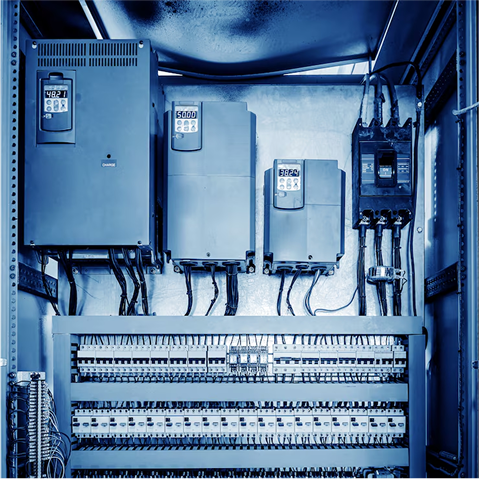
- Examine Electrical System: Check for any wear on cables, battery condition, and verify proper grounding.
- Check Brakes and Clutches: Test the brake systems to ensure proper functionality. Check for wear on the clutch and brake pads.
Monthly Maintenance
Monthly checks help address potential issues that might not be apparent in daily or weekly inspections.
- Check Structural Integrity: Inspect the crane’s frame and boom for any cracks, deformation, or corrosion.
- Test Limit Switches: Ensure the limit switches are operating correctly and adjust as needed.
- Inspect Hoist and Wire Ropes: Check the wire ropes for fraying or wear. Replace any damaged ropes.
- Check Outboard and Inboard Bearings: Ensure bearings are lubricated and free from debris.
- Review Control System Calibration: Calibrate the control system for accurate load handling and movement control.
Quarterly Maintenance
Quarterly checks are essential for deeper inspections and troubleshooting any underlying issues.
- Inspect Hydraulic Oil: Replace or top up hydraulic fluid if necessary. Ensure that the fluid is clean and free from contaminants.
- Check for Structural Fatigue: Perform a detailed inspection for any signs of structural fatigue or damage.
- Examine the Slewing Mechanism: Inspect the slewing ring and its components for wear and tightness.
- Test Load Testing Mechanism: Conduct a load test to ensure that the crane’s lifting capacity is up to par.
- Inspect Emergency Stop System: Test the emergency stop system for responsiveness and functionality.
Annual Maintenance
At least once a year, schedule a comprehensive inspection of your crane to ensure it’s in prime working condition.
- Full System Check: Inspect the entire crane, including all mechanical, electrical, and hydraulic components.
- Check Welds & Joints: Inspect all welded joints and structural components for integrity and stress points.
- Perform Load Test: Run a full load test to confirm that the crane can safely carry its maximum rated load.
- Review Documentation: Ensure all maintenance logs, certificates, and safety inspections are up to date.
Maintenance Logs
Keeping accurate records of all inspections, repairs, and maintenance tasks is essential for tracking the health of the crane.
- Log All Findings: Record any abnormalities or issues detected during inspections.
- Document Repairs: Make sure to document any parts replaced, repairs done, or systems recalibrated.
- Regular Audits: Review the log periodically to identify any recurring issues that may need deeper investigation.
Conclusion
A crane is a critical piece of equipment in many industrial operations, and keeping it well-maintained is key to ensuring operational efficiency, safety, and cost-effectiveness. By following this checklist, plant engineers and maintenance teams can take a proactive approach to prevent breakdowns, extend equipment life, and ensure workplace safety